Scraping first, asking later
The most common one. A weekend popcorn ceiling removal puts more fibre into a house than years of leaving it alone would. Test before the scraper comes out, not after.
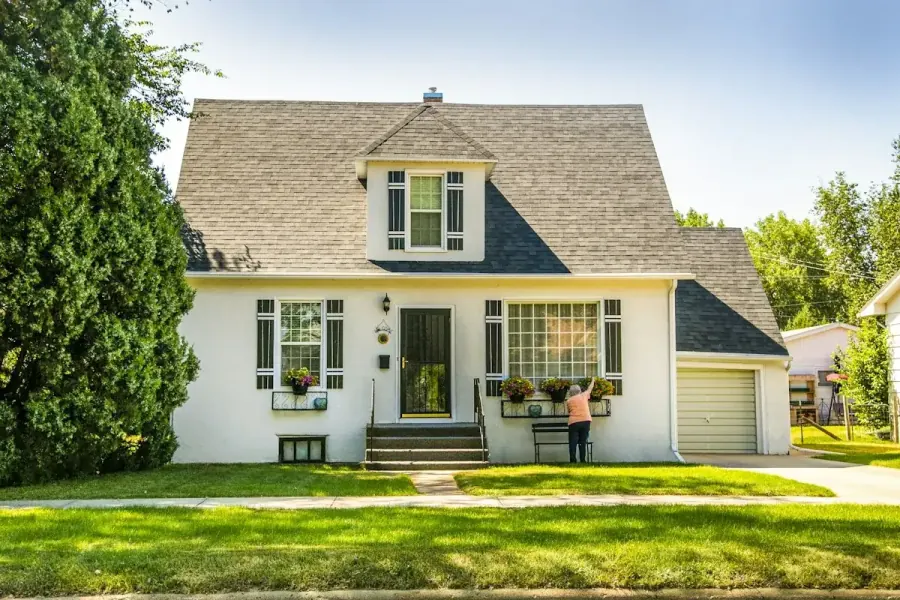
Where it is, why it is there, and how to tell which of it actually matters. Intact material you are leaving alone is usually best left alone. Material in the path of a remodel is a different conversation.
US construction use of asbestos was phased down through the late 1970s and into the early 1980s, which makes 1980 a useful screening date rather than a legal one. A Bismarck home built or substantially remodelled before then carries a materially higher probability of containing asbestos in one or more materials. A home built after does not, though installed stock continued to work its way through supply chains for years, so the line is soft at the edges.
The Cathedral Area Historic District, the neighbourhood locally known as The Hill, puts a number on how much older housing Bismarck actually has. It was listed on the National Register on 8 May 1980 with 47 contributing buildings across 27.3 acres, expanded by 15 acres in October 1997 and a further 1.3 acres in March 2010. Its contributing buildings are Bungalow and Craftsman, Colonial Revival, Tudor Revival, Foursquare and Gable Front homes, running roughly along North First, North Mandan, North Washington and North Raymond Streets and Avenues C, D and E West. Every one of them predates the phase-down by decades.
Age tells you a material is suspect. It never tells you a material is positive. The EPA position is that you generally cannot tell whether a material contains asbestos simply by looking at it unless it is labeled, and if in doubt, treat it as if it does and leave it alone.
This is where a pre-1980 Bismarck home most often returns positives, and it is where a survey should start. Corrugated or plaster pipe wrap on heating lines, boiler insulation, furnace cement and door gaskets, duct tape wrap and paper backing on old duct runs. Original floor tile is commonly still down here under whatever came later. Thermal system insulation is its own regulated category with its own sampling rule and its own quantity threshold of 260 linear feet.
Sprayed texture, popcorn coating, acoustic plaster and decorative finishes are surfacing materials, which means the 3-5-7 minimum sample counts apply to them. Textured ceiling is the single most common thing we are asked to sample in Bismarck, almost always because somebody is about to scrape it.
Nine by nine inch vinyl tile is the classic tell, but twelve inch tile from the same era can contain asbestos too, and the black cutback mastic underneath frequently does even when the tile above it does not. Sheet flooring backing is another common positive. If a remodel involves pulling up a later laminate or carpet, the layer beneath it is in scope even though it is not visible during the walkthrough.
Premixed drywall joint compound and patching compound routinely contained asbestos until the late 1970s. This matters on a remodel specifically because sanding joints is one of the most efficient ways to put fibres into the air in a residential setting. Textured wall finishes fall into the same category as textured ceilings.
Loose grey-brown pebbled fill is suspect vermiculite and should be treated as asbestos-containing until analysis says otherwise. Do not store items in an attic that has it, do not walk through it, and do not attempt to remove it yourself. Sampling requires entering the space, which is a reason to have it done by someone equipped to do so.
Asbestos cement board siding, cement roofing shingles and corrugated cement panel are nonfriable in good condition, meaning low risk while intact. They become a regulated waste stream the moment a demolition machine touches them. Window glazing putty, exterior caulk and roofing tar from the same period are easy to overlook and easy to disturb on a window replacement.
The decision is simpler than most people expect, because it turns on one question: are you going to disturb it. EPA guidance is that if building materials in your home are not damaged and will not be disturbed, you do not need to have your home tested. Asbestos-containing material releases fibres when it is disturbed, damaged, removed improperly, repaired, cut, torn, sanded, sawed, drilled or scraped. Sitting intact behind a painted surface, it is doing none of those things.
Test when you are remodelling through a suspect material, demolishing, replacing a heating system, pulling up flooring, or when material is already damaged by water, rodents or impact. Do not test intact material you have no plans for, unless you need documentation for a transaction or a lender.
The health reason to take this seriously rather than shrug it off: exposure to asbestos increases the risk of developing lung disease, that risk is made worse by smoking, and symptoms may take many years to develop following exposure. There is no version of this where you find out quickly whether a bad afternoon mattered.
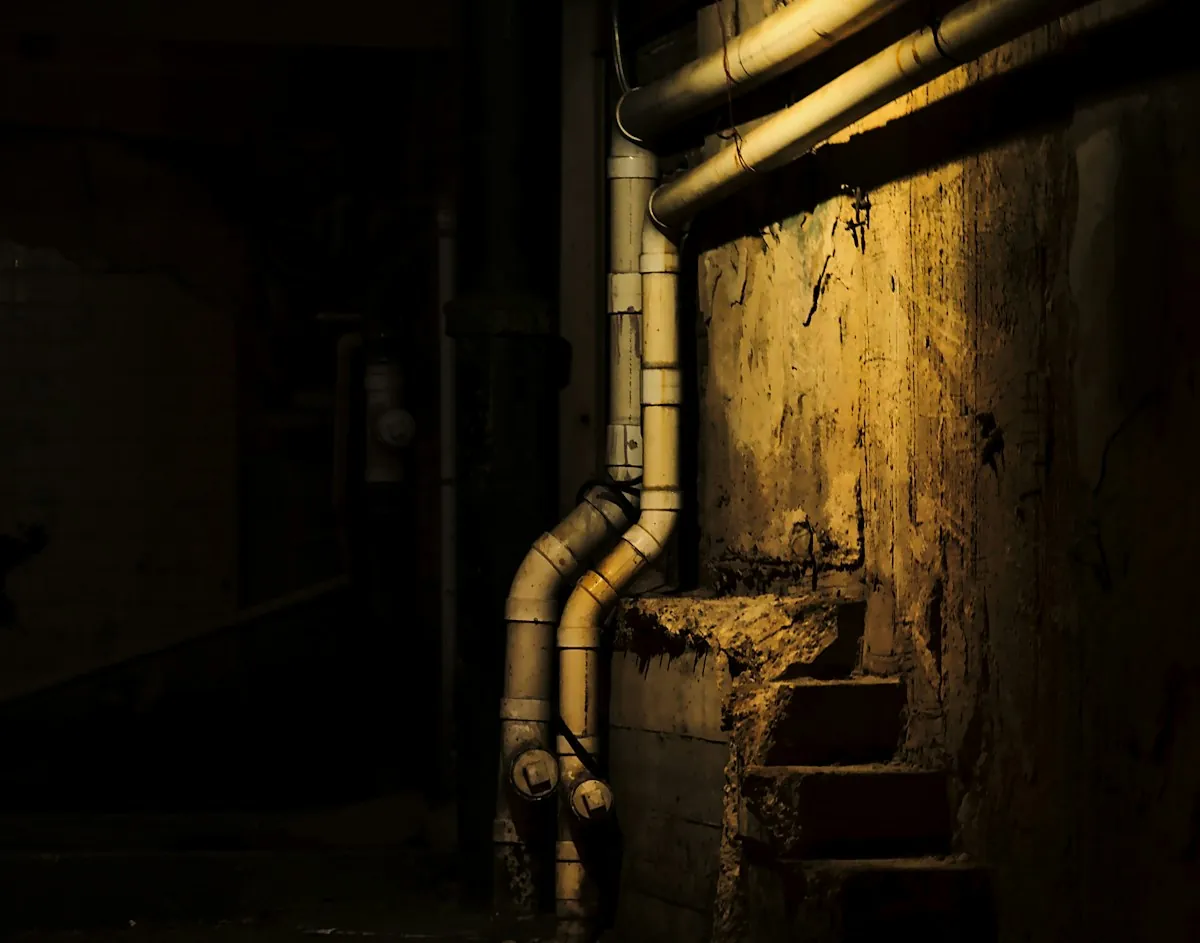
For a typical pre-1980 Bismarck home, the on-site work takes 30 to 60 minutes. The inspector establishes the construction and remodel dates, walks the basement and mechanical room first, then works through ceilings, floors, walls, attic and exterior, grouping materials into homogeneous areas as they go. Samples are cut wet into sealed containers, the sampled spots are patched, and the containers go to an accredited laboratory under chain of custody.
Sample count depends on the scope. A single ceiling is three samples. A kitchen and bath remodel is commonly nine to twelve. A full pre-demolition survey is typically twelve to twenty-five. At $25 to $75 per sample on top of a $200 to $800 survey fee, the scope is the price. The cost page breaks that down, and the sample testing page explains how homogeneous areas turn into sample counts.
Source for the guidance that intact, undisturbed material does not require testing, the list of activities that release fibres, and the recommendation that homeowners not collect their own samples.
Background on where asbestos was used in residential construction and how exposure relates to lung disease risk.
State requirements for inspection before renovation or demolition, and the licensing regime for abatement contractors in North Dakota.
Asbestos-containing material that is intact, undamaged and will not be disturbed is generally safer left in place than removed. The EPA states that if building materials in your home are not damaged and will not be disturbed, you do not need to have your home tested. Risk comes from fibre release, and fibres release when material is cut, sanded, drilled, scraped, torn or demolished. The calculus changes entirely the moment you plan to disturb it.
Textured and popcorn ceiling coating, nine by nine inch vinyl floor tile and the black mastic beneath it, sheet flooring backing, pipe and boiler insulation, drywall joint compound and patching compound, cement board siding and roofing shingles, furnace and duct gaskets, window glazing putty, and loose-fill vermiculite attic insulation. EPA lists the same categories nationally, along with asbestos paper and millboard around wood stoves and heat-resistant fabrics.
It is a practical screening date rather than a legal one. US construction use of asbestos was phased down through the late 1970s and into the early 1980s, so products manufactured and installed before roughly 1980 carry a materially higher probability of containing it. Material installed after that date is not guaranteed clean, and stock already on shelves continued to be installed for years, but 1980 is the line that sorts most buildings usefully.
Yes, if it was installed before the early 1980s and you intend to scrape, sand, patch or demolish it. Sprayed ceiling texture was one of the most common asbestos surfacing materials in North Dakota housing, and the EPA guidance is that you generally cannot tell whether a material contains asbestos by looking at it unless it is labeled. If the ceiling is intact and you plan to leave it alone, testing is optional.
Not always, but it is treated as suspect until analysis says otherwise. A large share of the vermiculite sold for attic and wall insulation during the relevant period carried amphibole asbestos contamination from the source deposit, so the sensible assumption is that loose grey-brown pebbled fill in a Bismarck attic is suspect. Do not disturb it, do not store things in an attic that has it, and sample before any work that involves entering the space.
No. A general home inspector is trained to note suspect material, pipe wrap, vermiculite, nine by nine tile, and flag it as beyond their scope. They are not certified to determine whether it is asbestos and they do not collect samples. A home inspection report flagging suspect material is a prompt to get a certified survey, not a substitute for one.
Leave it alone, limit access to the area, and do not attempt to clean it up or seal it yourself. Sweeping and vacuuming damaged asbestos-containing material makes the problem worse by putting fibres into the air. Get it sampled, and if the result is positive and the material is damaged, a North Dakota licensed abatement contractor handles the removal or repair under containment.
North Dakota does not require asbestos testing as a condition of sale, but known material conditions generally fall within seller disclosure obligations, and you should ask a real estate attorney about your specific situation rather than relying on a general statement. Practically, many sellers of pre-1980 homes obtain a survey during the listing period precisely because a written laboratory report removes an unknown from the negotiation.
Tell us the build year and what you are planning. We will tell you honestly which materials need sampling and which are better left alone.